Data

Systematically collected information used to understand patterns of substance use, substance use disorders, treatment needs, and drug market dynamics. This may include epidemiological data, service utilisation records, treatment outcomes, law enforcement intelligence, and public health surveillance. Data helps identify emerging trends, assess the effectiveness of prevention and treatment programmes, monitor trafficking and market activity, and guide evidence-informed policy and decision-making. Reliable data systems are essential for improving responses to substance use and ensuring that interventions are targeted, effective, and responsive to population needs. 
Updates and Resources on Novel Coronavirus (COVID-19)

Website
Since the COVID-19 outbreak began, the American Hospital Association has worked closely with the CDC, and other federal, state and local partners to respond to this challenge and to make sure hospitals and health systems have the most up-to...

Coronavirus COVID-19 Information Summary

Website
The US Centers for Disease Control and Prevention (CDC) offers this situational summary and latest updates page for Coronavirus COVID-19. The page includes information regarding: How coronvirus is spread Symptoms Prevention and treatment...

Coronavirus COVID-19 Global Cases Public Dashboard

Website
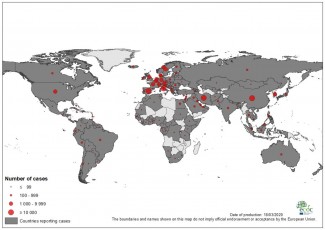
Johns Hopkins University Center for Systems Science and Engineering (CSSE) offers this public dashboard of worldwide confirmed cases, recoveries and deaths aggregating WHO, CDC, ECDC, NHC and DXY data in real time. This source is unique...

Addiction Medicine Conference

Event Date
 - 
Asheville
United States

The 11th annual spring Addiction Medicine Conference to be held April 30 – May 2, 2020 in Asheville, NC, will continue to provide 3 days of in-depth exploration of addiction medicine and will include a wide range of topics combining plenary sessions and skill-building workshops, and providing opportunities for networking.

Health Matters: Smoking and Mental Health

Website
 - 
It is well documented that people with severe mental health issues are more likely to smoke compared to the general population. Smoking reduces physical wellbeing and is a key modifiable risk factor for health inequality. Despite this...