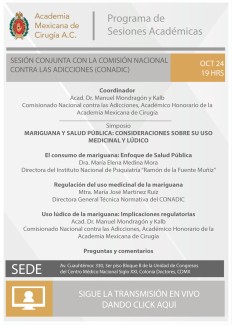
The organised efforts of governments, health systems, and communities to prevent substance-related harms, promote wellbeing, and improve population health outcomes. A public health approach focuses on prevention, early intervention, treatment, recovery support, and harm reduction, while also addressing the social, economic, and environmental factors that influence substance use. It relies on surveillance data, evidence-based interventions, policies, and cross-sector collaboration to reduce the overall burden of substance use disorders and promote healthier communities.
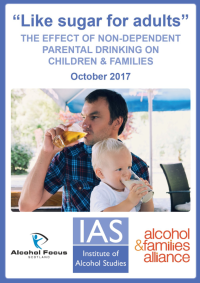
Public Health
A Dermatologist's Ammunition in the War Against Smoking: A Photoaging App
Opioid Crisis Fast Facts
Smoking Cessation and Survival in Lung, Upper Aero-Digestive Tract and Bladder Cancer
A Socioecological Approach to Addressing Tobacco-Related Health Disparities
Synthetic Cathinone and Cannabinoid Designer Drugs Pose a Major Risk for Public Health
How States Are Tackling the Opioid Crisis
Drug Matrix Cell A1: Interventions - Ways to Reduce the Harm
Avoidable Emergency Department Visits: A Starting Point
International City Health Conference 2017
The title for the conference, ‘Empowerment, Engagement and Partnership: participating to develop healthy cities’, reflects the belief that measures and actions for health promotion and urban development are more effective if the affected populations play an active and co-decisive role in the process of design, development and delivery.
6th International Symposium on Hepatitis Care in Substance Users
This symposium is the leading International conference focused on the management of hepatitis among substance users. It is organized by the International Network for Hepatitis in Substance Users (INHSU).
The International Symposium on Hepatitis in Substance Users attracts delegates including health professionals (doctors, nurses and allied health), researchers, community organisations, people who use drugs and policy makers.