
Treatment

The range of medical, psychological, and social services designed to help individuals reduce or stop substance use and manage substance use disorders. Treatment may include assessment, counselling and behavioural therapies, medication-assisted treatment, withdrawal management, and support for co-occurring mental or physical health conditions. Effective treatment is typically person-centred and evidence-informed, and may be provided in outpatient, community, or residential settings. Treatment aims to improve health and functioning, reduce substance-related harms, and support individuals in moving toward recovery and long-term wellbeing. 
Addressing mental health and substance use in the youth justice setting

Video and audio recordings
 - 
This seminar took place on Wednesday 29th September and focuses on youth justice. It was the first in a series of seminars hosted by The University of Sydney after signing a Memorandum of Understanding with Youth Justice NSW in July 2021.

Work Environment Factors and Prevention of Opioid-Related Deaths

Scientific article
 - 
Opioid use disorder (OUD) and opioid overdose deaths (OODs) are prevalent among US workers, but work-related factors have not received adequate attention as either risk factors or opportunities for OOD prevention. Higher prevalence of OOD...

Study: Combined treatments are the most effective to stop smoking

Scientific article
 - 
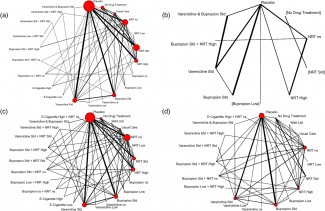
This is a study, led by the University of Bristol, and published in Addiction Journal. It was funded by the National Institute for Health Research (NIHR), the research partner of the NHS, public health and social care. The most effective...

Mechanisms and mediators of addiction recovery

Scientific article
 - 
"Addiction recovery is a complex, dynamic and non-linear process of change on multiple life domains, and in substance use patterns in particular." In this special issue of Drugs: Education, Prevention and Policy, researchers from around the...